
"agricultural efficiency"
500 article(s) found

How to distinguish the advantages and disadvantages of Brazilian coffee beans Brazilian coffee grading system
There are many large farms in Brazil, which run endless coffee plantations. They use machines to harvest and dry them. They are so efficient in automation that they regard coffee as a general agricultural material and completely abandon the flavor and flavor. As a result, many select coffee companies simply do not sell Brazilian beans so as not to demean themselves. In select coffee shops, Santos in Brazil still appears occasionally.
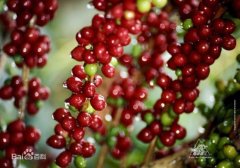
The advantages and disadvantages of growing coffee in Brazil are suitable for coffee-growing countries in Central and South America.
There are many large farms in Brazil, which run endless coffee plantations. They use machines to harvest and dry them. They are so efficient in automation that they regard coffee as a general agricultural material and completely abandon the flavor and flavor. As a result, many select coffee companies simply do not sell Brazilian beans so as not to demean themselves. In select coffee shops, Santos in Brazil still appears occasionally.

The past Life and present Life of Baoshan Coffee the Story of the Development of Baoshan Coffee
Professional coffee knowledge exchange more coffee bean information Please pay attention to the coffee workshop (Wechat official account cafe_style) Baoshan, as one of the first areas in Yunnan to grow coffee, has been planting on a large scale since the 1950s and has a history of more than 60 years. According to exact historical records, Baoshan Coffee was first made in 1952 by the tropical and subtropical classics of Yunnan Province in the Gaoligong Mountain Resort.

Italian espresso coffee is included in the intangible cultural heritage Italian espresso machine development history
According to foreign media quotes, on January 20 local time, GianMarco Centinaio, Deputy Minister of Agriculture, Food and Forestry of Italy, informed the media that Italian espresso coffee was officially included in the list of candidates for intangible heritage of mankind by UNESCO! And will be in March.

Sweet and bitter Brazilian sirado coffee beans Flavor Taste Aroma Description Introduction
Brazil has many large farms, operating endless coffee plantations, they use machines to harvest, and use machines to dry, automated efficiency is very high, as if coffee as a general agricultural material, completely abandoned flavor and disregard. As a result, many specialty coffee companies simply do not sell Brazilian beans, lest they demean themselves. Brazil's Santos occasionally appears in select coffee shops

Costa Rica San Romain Estate Coffee Flavor Description Grind Features Variety Price Introduction
Located about 30 kilometers northeast of San Jose, Costa Rica's capital, this research center belongs to the Costa Rica Coffee Association. It is a research institution for the cultivation, breeding and quality inspection of Costa Rica's newly developed villa sarchi coffee varieties. In addition, it also has 10 hectares of experimental fields planted with many excellent varieties. Coffee is Costa Rica's main agricultural product, producing more than 2 million bags a year.

Vietnam Coffee Bean planting Climate altitude, Vietnam Coffee Industry Development Plan
Vietnam's geographical location is very favorable for coffee cultivation. Southern Vietnam has a hot and humid tropical climate, which is suitable for growing ROBUSTA coffee, while the north is suitable for growing ARABICA coffee. Coffee production in Vietnam has the following characteristics: (1) because there is no effective way to deal with fallen leaves, medium-grain coffee was selected as the main variety in the early 1980s. (2) take planting technology as a reference.

Yunnan Agricultural University has studied the coffee bean drying technology of "back pressure hot air penetration drying technology".
According to reports, in 2012, Lingfeng Coffee Group in Lincang City invested more than 10 million yuan to cooperate with the Tropical crops College of Yunnan Agricultural University to study the new technology of coffee bean drying. In June this year, the back pressure hot air penetrating dry coffee technology officially obtained the national invention patent recognized by the State intellectual property Office, and has been promoted in more than 120 coffee processing plants in Pu'er, Lincang and other coffee growing areas.
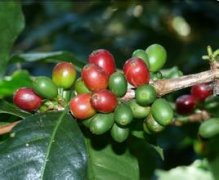
The road of Lincang coffee to take advantage of the best products has sprung up.
Lincang, which is located in the golden belt of coffee production in the world, its coffee industry is rapidly getting rid of the late start, and the latecomers are on the top. in 2013, the total coffee planting area in the city reached 554200 mu, ranking second in Yunnan Province.

What is the taste of Brazilian red bourbon coffee? a brief introduction to the characteristics of varieties and characteristics of grinding scale
Introduction to Brazilian Red Bourbon Coffee: taste, Variety characteristics, Grinding scale brief introduction to Grinding scale Brazil has many large farms and endless coffee plantations. They use machines to harvest and dry them, and they are very efficient in automation. it seems to regard coffee as a general agricultural material, completely abandoning flavor and flavor. As a result, many select coffee companies simply do not sell Brazilian beans to

Costa Rican coffee quality
Costa Rica's main agricultural products, with an annual output of more than 2 million bags (60 kg), export foreign exchange of 250 million US dollars, second only to pineapple and banana. In Costa Rica, Arabica coffee trees are grown, improved, the quality of coffee beans is better and more stable; in order to facilitate picking, coffee trees are continuously pruned to maintain a height of about 2 meters; people eat coffee fruit.

Flavor description of Brazilian Coffee beans introduction to the varieties treated in the manor area
There are many large farms in Brazil, which run endless coffee plantations. They use machines to harvest and dry them. They are so efficient in automation that they regard coffee as a general agricultural material and completely abandon the flavor and flavor. As a result, many select coffee companies simply do not sell Brazilian beans so as not to demean themselves. In the select coffee shop, there is still an occasional Sandoska in Brazil.

Flavor description of Yellow bourbon Coffee beans treated with Brazilian Honey introduction to the taste of grinding scale varieties
Brazil honey processing yellow bourbon coffee beans flavor description grinding scale varieties taste introduction Brazil has many large farms, operating endless coffee plantations, they use machines to harvest, and use machines to dry, the efficiency of automation is very high. Coffee is like a general agricultural material, completely abandoning the flavor and disregard. As a result, many select coffee companies simply do not sell Brazilian beans to avoid

Description of taste and flavor of Brazilian coffee A brief introduction to the producing areas of varieties by the method of baking degree treatment
Brazil has many large farms that operate endless coffee plantations. They use machines to harvest and dry them. They are very efficient in automation. They treat coffee as a general agricultural material, abandoning flavor and ignoring it completely. As a result, many select coffee companies simply do not sell Brazilian beans to avoid

Costa Rican Coffee Culture Costa Rica Coffee History
Costa Rica, with a population of only 3.5 million, has 400 million coffee trees, and coffee exports account for 25 per cent of the country's total exports. Costa Rica also benefits from the Central American Society for Agricultural Research (Turrialba of the Central American Agricultural Research Institute, IAAC) in Tarasu, which is an important international research center.

Brazilian Coffee Plantation Area Grinding Scale Processing Flavor Description Variety Introduction
Brazil has many large farms, operating endless coffee gardens, they use machine harvesting, and the use of machine drying, automated efficiency is very high, as if coffee as a general agricultural material, completely abandoned flavor and disregard. As a result, many specialty coffee companies simply do not sell Brazilian beans, lest they demean themselves

Taste of Costa Rican Saint Roman Coffee in volcanic soil Grinding degree of manor in producing area
S.H.B. It is a very hard bean with an altitude of more than 1500 meters above sea level, which means high quality Costa Rican coffee. Altitude has always been a problem for coffee growers. The higher the altitude, the better the coffee beans, not only because the higher altitude can increase the acidity of the coffee beans and thus increase the flavor, but also because the night temperature at the higher altitude is lower, which can make the trees grow slowly.

Description of Brazilian Coffee Flavor, characteristics of Grinding degree and introduction of Fine Coffee in producing areas
There are many large farms in Brazil, which run endless coffee plantations. They use machines to harvest and dry them. They are so efficient in automation that they regard coffee as a general agricultural material and completely abandon the flavor and flavor. As a result, many select coffee companies simply do not sell Brazilian beans so as not to demean themselves. In the select coffee shop, there is still an occasional Sandoska in Brazil.

What are the advantages and disadvantages of Brazilian coffee beans
Following caf é (Wechat official account vdailycom) found that Beautiful Cafe opened a small shop of its own. Brazil has many large farms and endless coffee plantations. They use machines to harvest and dry them, and the efficiency of automation is so high that they regard coffee as a general agricultural material, regardless of flavor and flavor. As a result, many select coffee companies simply do not sell them.

Description of Coffee Bean Flavor in Las Haas Manor, Costa Rica
The research center, about 30 kilometers northeast of San Jose, the capital of Costa Rica, belongs to the Costa Rican Coffee Association and is a research institution for villa sarchi planting, breeding and quality inspection newly developed by Costa Rica's national coffee breeds. in addition, it also has 10 hectares of experimental plots, planting a number of excellent varieties. Coffee is the main agricultural product in Costa Rica, with an annual output of more than 2 million bags.